
Written by

Featured Video
Table of Contents
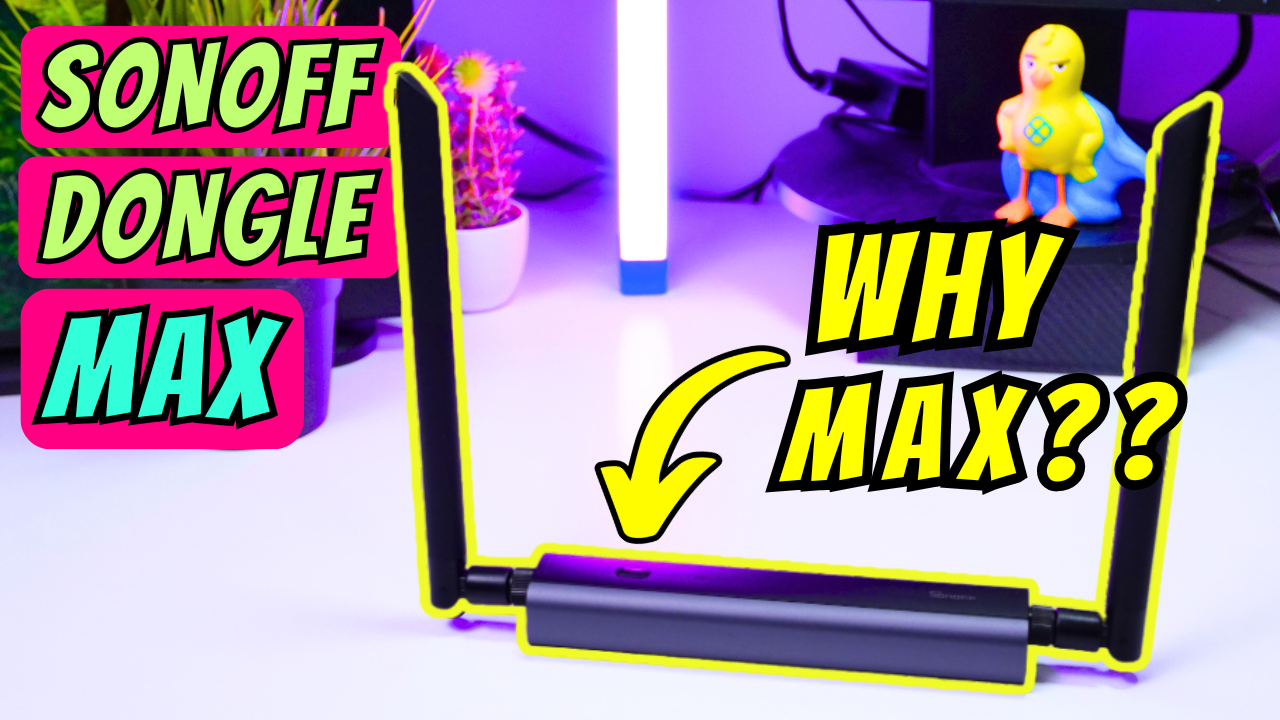
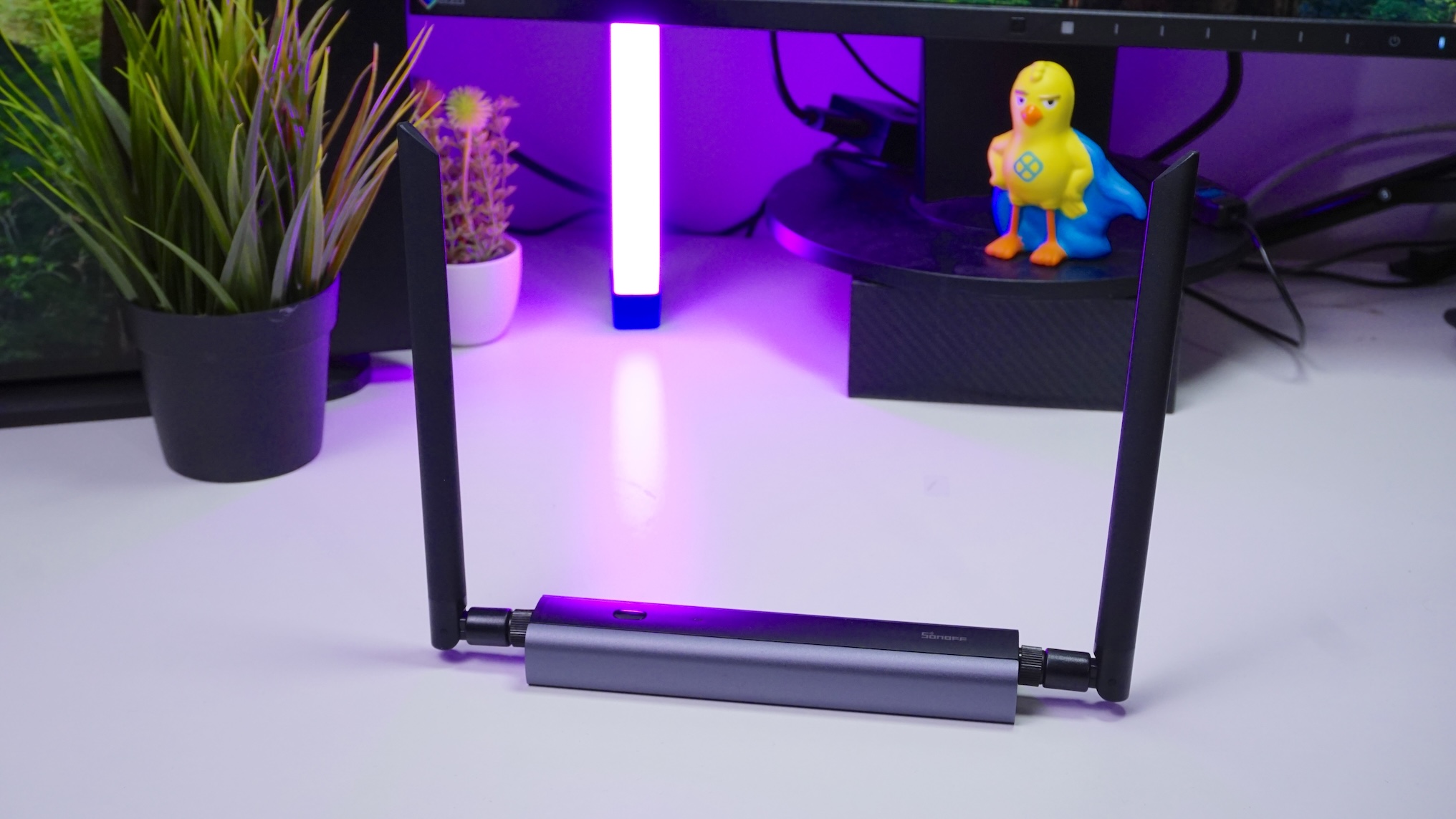
If you’ve been playing around with Zigbee (and even Thread) in Home Assistant, you know how much the adapter matters. Today I’m sharing my experience with the Sonoff Dongle Max—and honestly, the “Max” name isn’t just marketing. This thing packs a surprising number of features into one device.
Buy sonoff Dongle Max:
Why it’s called the “Max”
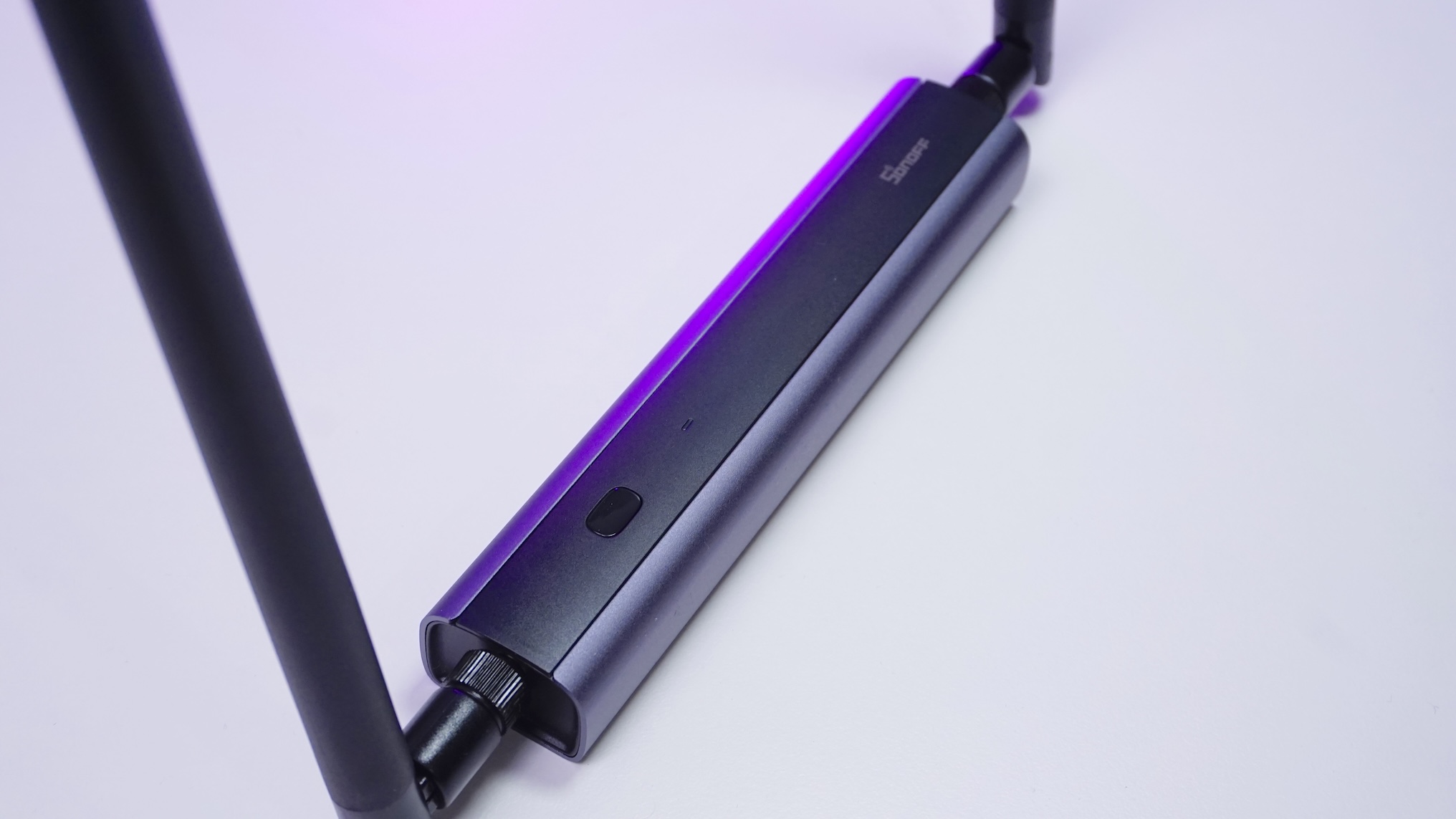
The first thing I noticed is that this isn’t only about Zigbee anymore. The Dongle Max combines multiple roles into one unit, which makes it feel more like a “mini hub” than a basic USB stick.
Here’s what stood out to me:
-
Newer radio chip for Zigbee / Thread
It uses a newer EFR32MG24 chip, designed for modern Zigbee (and Thread-capable setups). In daily use, this is the part that matters most: your radio link is the foundation of a stable smart home.
-
Built-in Wi-Fi access point for IoT devices
Alongside Zigbee/Thread communication, it can act as a 2.4 GHz Wi-Fi access point for other IoT devices.
-
Higher antenna gain compared to earlier models
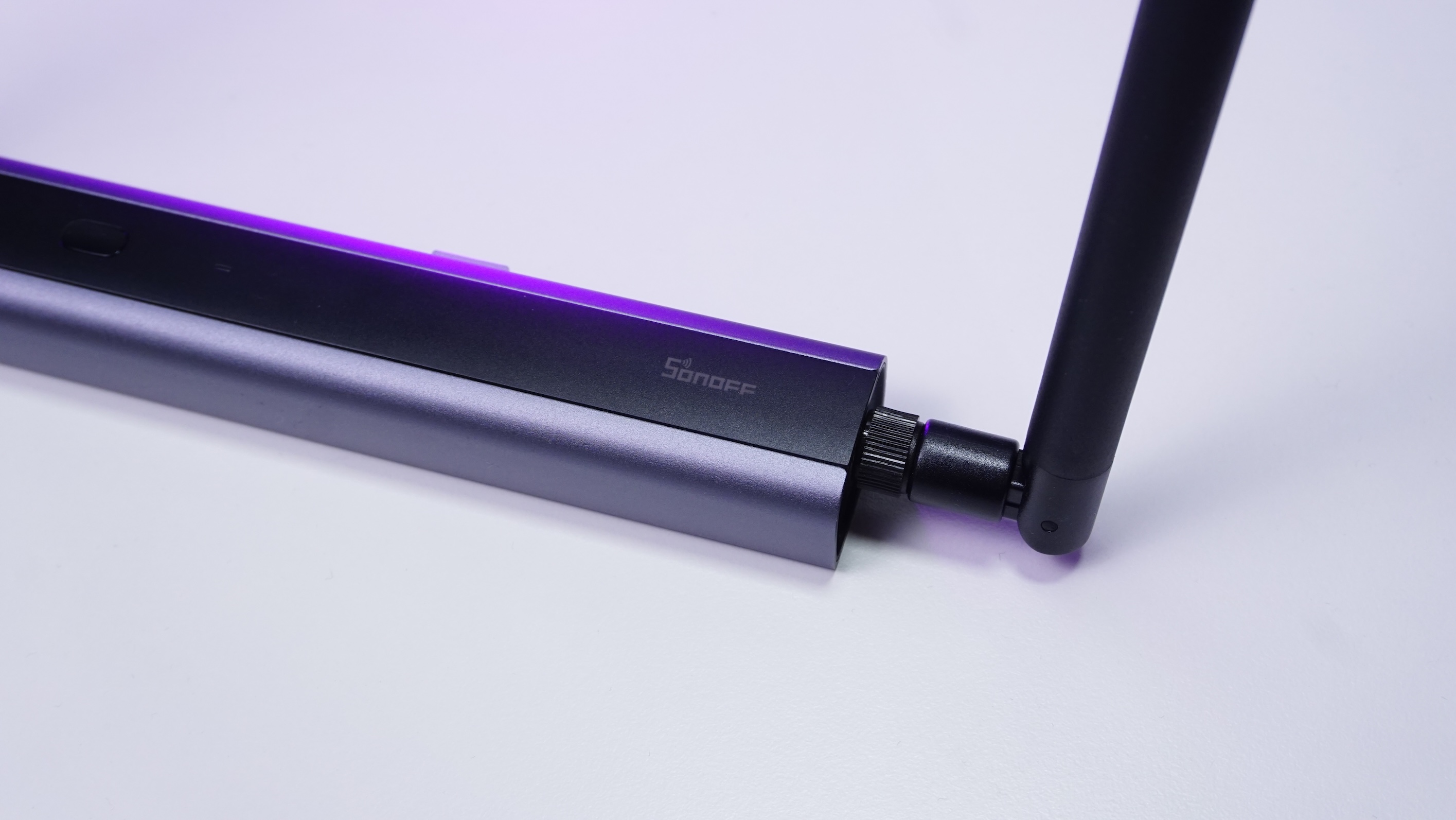
Sonoff also improved the antenna with higher antenna gain compared to older generations for better reach and strong connectivity.
-
Remote Zigbee management over WireGuard VPN
One feature I found really interesting is that you can connect and manage Zigbee devices in remote locations using a WireGuard VPN configuration.
That means if you have a setup at another place (a garage, a workshop, a holiday home, or even a family member’s house), you can still securely manage Zigbee devices without exposing everything to the internet.
-
Home Assistant configuration support Using MQTT, it provides options to configure the device via Home Assistant directly to turn on or off various features of the dongle max.
-
Webhooks on triggers It can also trigger webhooks based on certain events/triggers, so you can monitor the device via webhooks.
-
Power over Ethernet (PoE)
The Dongle Max can be powered using Power over Ethernet alternatively.
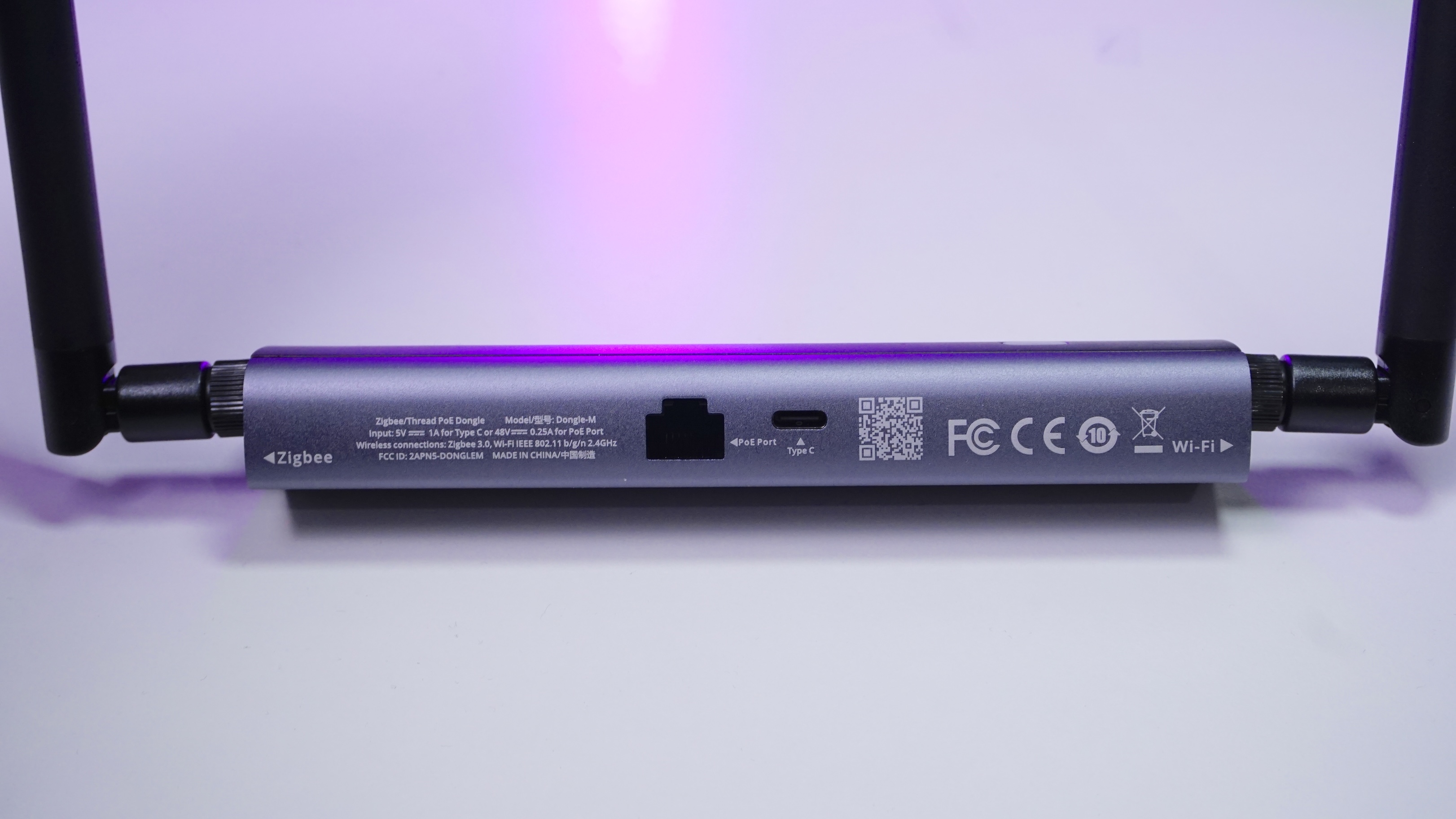
This opens up a really practical setup option:
- Place the dongle somewhere optimal for Zigbee range (more central, higher up, away from noisy USB ports)
- Run a single Ethernet cable for power (and potentially networking depending on how you deploy it)
If you’ve ever fought USB extension cables and “where do I put the coordinator”, PoE can make life easier.
The one limitation I noticed
There’s one limitation worth mentioning:
- The access point is 2.4 GHz only
- It supports up to 8 connected devices
For IoT devices, that’s totally fine. Most smart home gear lives on 2.4 GHz anyway, and 8 devices is enough for a small cluster of sensors, plugs, or helper devices.
But if you’re expecting it to feel like a “real router” for browsing on a laptop or phone—yeah, that’s not the goal here. It’ll work in a pinch, but it’s not meant to deliver the best internet browsing experience.
Final thoughts
After using it, the “Max” name makes sense: it’s not just a Zigbee adapter—it’s a multi-feature smart home connectivity tool. Between the upgraded chip, the stronger antenna, Wi-Fi AP mode, WireGuard remote management, webhook triggers, and PoE power support, it’s clearly designed for more advanced smart home setups.
If you’re building a Home Assistant setup where reliability and flexibility matter, this is the kind of device that can simplify a lot of messy “extra parts” in one go.
Buy sonoff Dongle Max: